

Does Your Hoodie Shed Microplastics Every Wash?
Most sustainability content talks about the plastic we help recover. Almost nobody talks about the plastic some fabrics put into the water in the first place.
Here's the direct answer: if a garment is made from polyester, nylon, or elastane — including most fleece — it sheds plastic microfibers into the water every single time it's washed. If it's made from organic cotton, it doesn't, because cotton isn't plastic to begin with.
We talk a lot about the plastic CleanHub helps us recover from the ocean. We don't talk as much about the plastic some loungewear puts into the water supply before it ever gets near the ocean. Both sides of that conversation matter, and only one of them usually gets airtime.
What's actually happening in the wash
Every time a washing machine runs, it agitates fabric enough to knock loose fiber fragments, and those fragments go out with the wastewater. According to the Environmental Working Group, a single laundry load can release several million fiber fragments, and U.S. household laundry produces more than 3,500 metric tons of fiber fragments every year. Wastewater treatment isn't built to fully filter something that small, so a meaningful share of it ends up in rivers, soil, and eventually the ocean.
The fabric matters more than most people realize. Loosely woven synthetics, like polyester fleece, shed more than tightly woven fabrics. And because synthetic fibers are plastic, what they shed is plastic — carrying along whatever was used to treat the fabric, which can include PFAS and other chemicals nobody wants in a water supply.
Why this isn't the same problem for every fabric
Natural fibers, including organic cotton, linen, and wool, still shed small amounts of fiber in the wash. That part doesn't change based on what a garment is made of. What changes is what that fiber actually is. A cotton fiber breaking down over time is still cotton. A polyester fiber breaking down is still plastic, and it doesn't biodegrade the way cotton does.
That's a quieter, less dramatic distinction than a lot of sustainability marketing, and that's probably part of why it doesn't come up as often. It's easier to talk about a certification badge than it is to talk about what's actually coming out of a washing machine.
A cotton fiber breaking down is still cotton. A polyester fiber breaking down is still plastic.
Why we build with organic cotton French Terry, not synthetic fleece
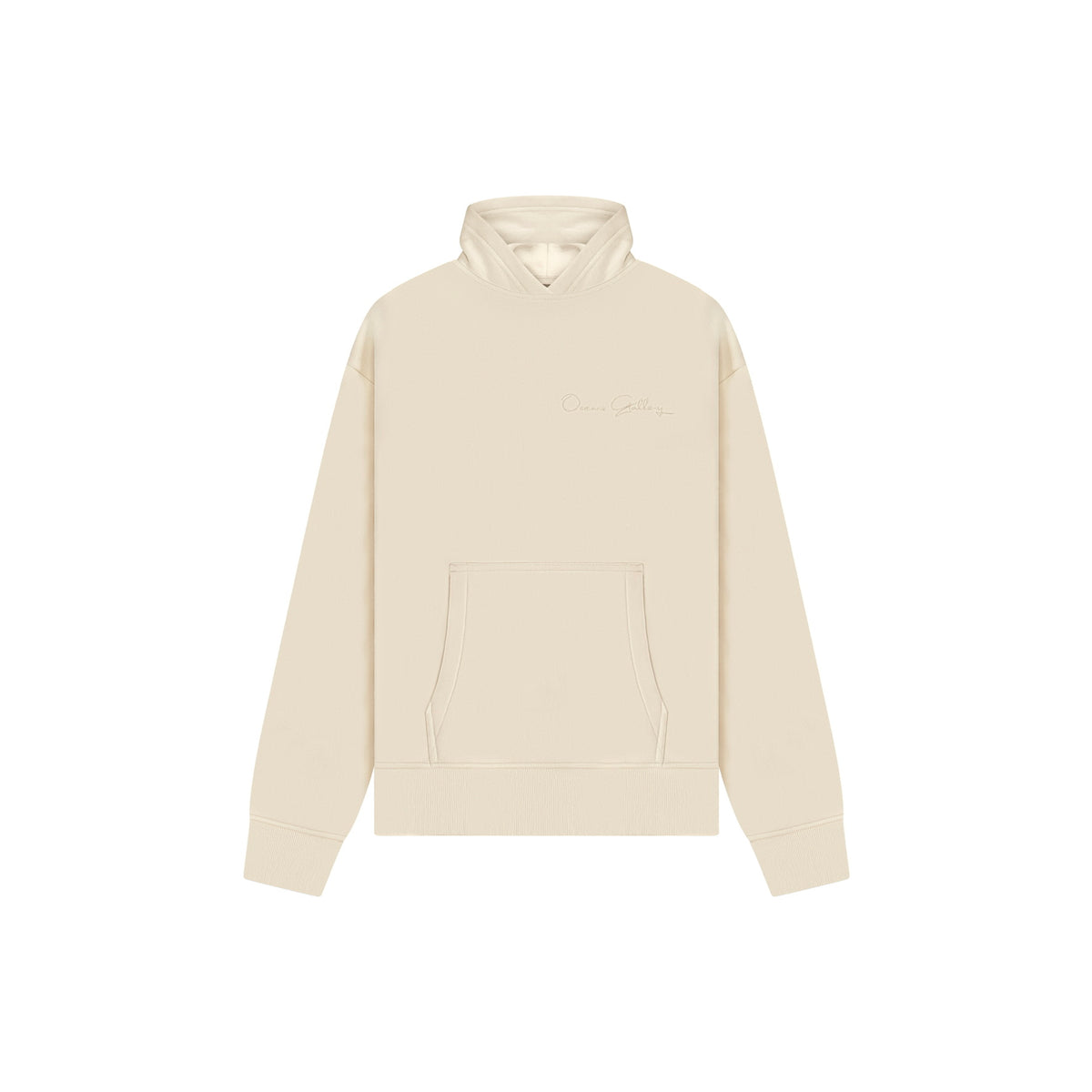
Our 460 GSM Signature French Terry Hoodie is organic cotton, not a polyester or poly-blend fleece. That decision was originally about how the fabric feels and holds up over years of wear. The wash-water side of it is a real benefit too, and one we think is worth being specific about instead of folding into a vague "eco-friendly" claim.
We're not going to pretend cotton production has zero footprint — growing cotton uses water and land, and we've been upfront elsewhere about not having every number nailed down. But the specific claim here is narrow and true: a garment that isn't plastic can't shed plastic in the wash.
For scale: a single laundry load can release several million fiber fragments, and U.S. household laundry sheds more than 3,500 metric tons of fiber fragments annually, according to the Environmental Working Group. Loosely woven synthetics, like fleece, shed more than tightly woven fabrics — and when the fiber is synthetic, what's shedding is plastic.
A few honest questions
Does cotton shed microplastics in the wash?
No. Cotton is a natural fiber, not plastic, so it doesn't shed plastic-based microfibers. It still sheds small amounts of natural fiber during washing, like any fabric, but that's not the same pollution problem synthetic fabrics create.
Which fabrics shed the most microplastics?
Loosely woven synthetic fabrics, like polyester fleece, shed more than tightly woven ones. Any garment made from polyester, nylon, or elastane sheds plastic-based microfibers every time it's washed.
How can I reduce microfiber shedding regardless of what I own?
Wash in cold water on shorter cycles, run full loads to reduce friction, skip extra rinse cycles, wash less often, and air-dry instead of tumble-drying. A fiber-catching laundry bag or filter also helps for synthetic garments specifically.


