



The 30-Wear Test, Applied Honestly
Most brands mention the rule in the abstract. We ran it against our own men's collection — including the pieces we know will take help getting there.
There's a number that shows up in almost every sustainable fashion article written this year: 92 million tons. That's the estimated weight of textile waste generated globally, annually. Alongside it, a smaller number gets repeated just as often — the "30 wears" rule, a simple test that asks whether you'll actually wear a piece 30 times before you buy it.
Both numbers are real. Both get cited constantly. And almost nobody applies the second one to their own actual products and says what happens. We're going to do that.
What the test actually asks
The math is deliberately simple: divide what you paid by how many times you'll realistically wear the piece. A $50 shirt worn twice costs $25 a wear. A $250 shirt worn 100 times costs $2.50 a wear. The test isn't really about the number — it's a filter for a harder question: will this earn its place, or will it sit in the closet after the third wear once the newness wears off? Most articles that cite this test stop there, in the abstract. We wanted to know what it actually says about pieces we make.
This is the test's best-case scenario. A garment cut for daily rotation — not an occasion piece, not a statement piece, a genuine everyday layer. At even moderate use — twice a week — it clears 30 wears in under four months. Over a year of regular rotation, cost per wear drops under $2.50. This is exactly the category the 30-wear test was built to evaluate, and it's an easy pass.
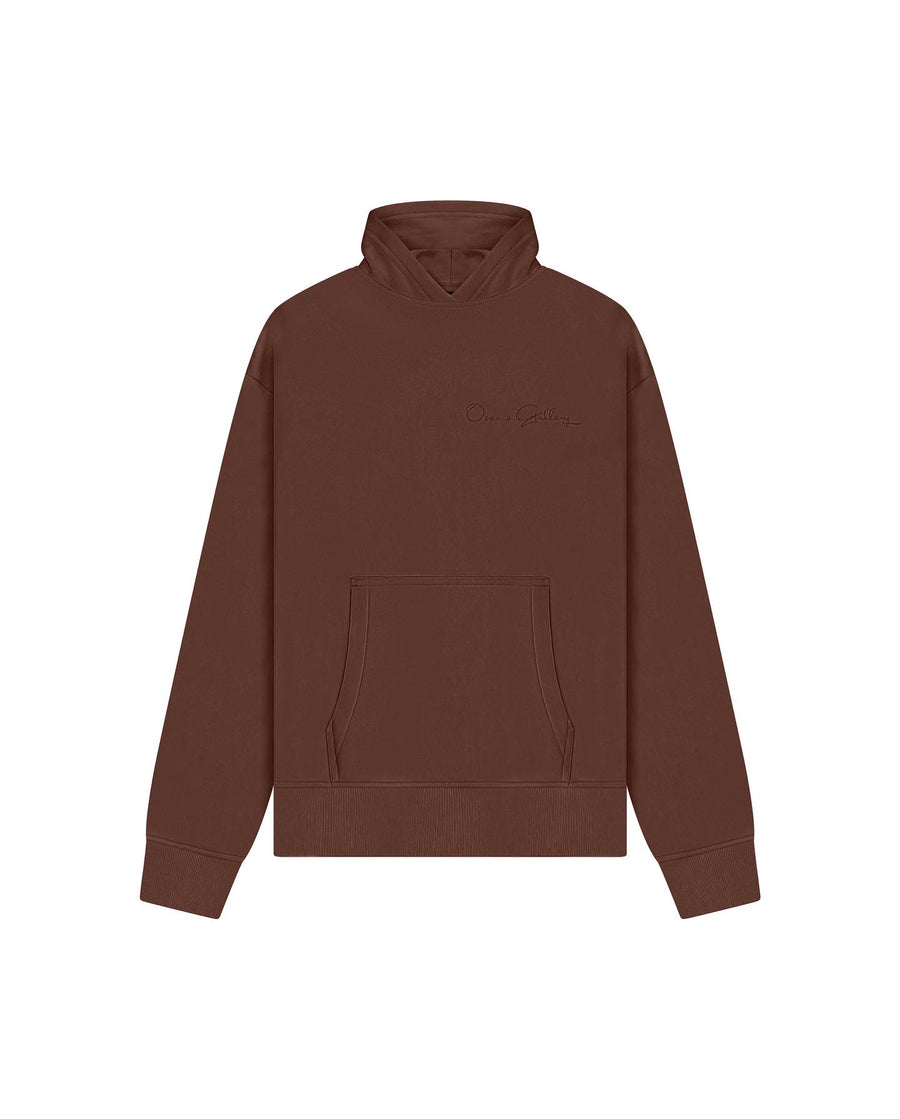
A heavier piece, worn less frequently by design — it's a layer, not a daily base. Worn once a week through a cooler season, it clears 30 wears in about seven months. The honest caveat: outerwear takes longer to hit the number than a t-shirt does, simply because you wear fewer layers on any given day. That's not a flaw in the garment. It's the nature of the category, and it's worth saying plainly rather than pretending every piece in a wardrobe earns its cost per wear on the same timeline.
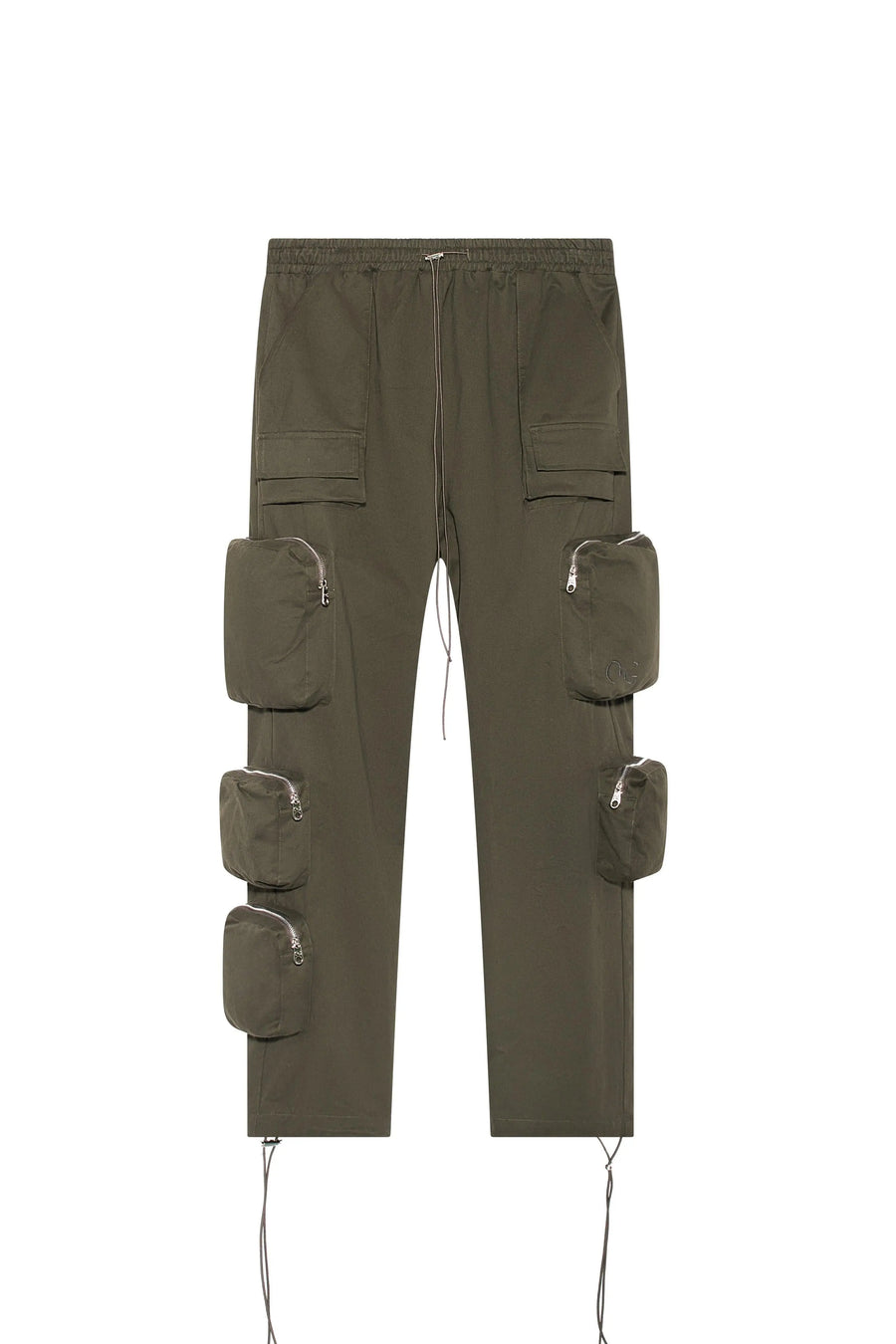
Cotton twill in this weight is designed to be worn hard — the fabric holds its structure specifically because it's meant for repeat, everyday use rather than careful occasional wear. Pants in general clear 30 wears faster than almost any other category, because pants get worn more often than any single top does. This is where the test is most obviously in the garment's favor.
These sit between the two extremes: not a single-occasion piece, but more specific in styling than a plain daily tee, so they'll naturally see somewhat less frequent rotation than the Established T-Shirt does. They'll still clear 30 wears — just on a slightly longer runway. Worth knowing before you buy, not after.
Where the math stops being the whole story
The 30-wear test assumes a garment's lifespan is fixed at the point of purchase — that a piece either survives long enough to hit the number, or it doesn't, and there's nothing you can do about it once you've bought it. That assumption is where most cost-per-wear content quietly stops, because for most fast fashion, it's true. A $30 shirt that develops a seam failure at wear 12 doesn't get fixed. It gets replaced, and the real cost per wear was never the number on the tag — it was that number, plus whatever came next.
That's the actual gap the math misses, and it's the reason we built a warranty program instead of just writing about fabric weight and calling it a day.
Every eligible garment is covered by our Lifetime Warranty & Repair Program.
If something fails due to how it was made — stitching, seams, hardware — we repair it, at no cost, for the life of the piece. Not a year. Not a season. The life of the piece. Here's what that actually does to the 30-wear test: it removes the ceiling. A garment that would otherwise end its useful life at wear 40 because of a failed seam doesn't end there — it gets repaired and keeps going. We built the program around two things: standing behind our own construction, and the plain fact that a repaired garment is a garment that never became part of that 92-million-ton number in the first place.
Why we're saying this plainly instead of just citing the stat
Most sustainability content treats the 30-wear test and the waste statistic as things to mention, not things to actually be measured against. We'd rather be specific — including about the pieces that take longer to earn their cost per wear, and the one program that's built specifically to make sure they get there anyway.


