

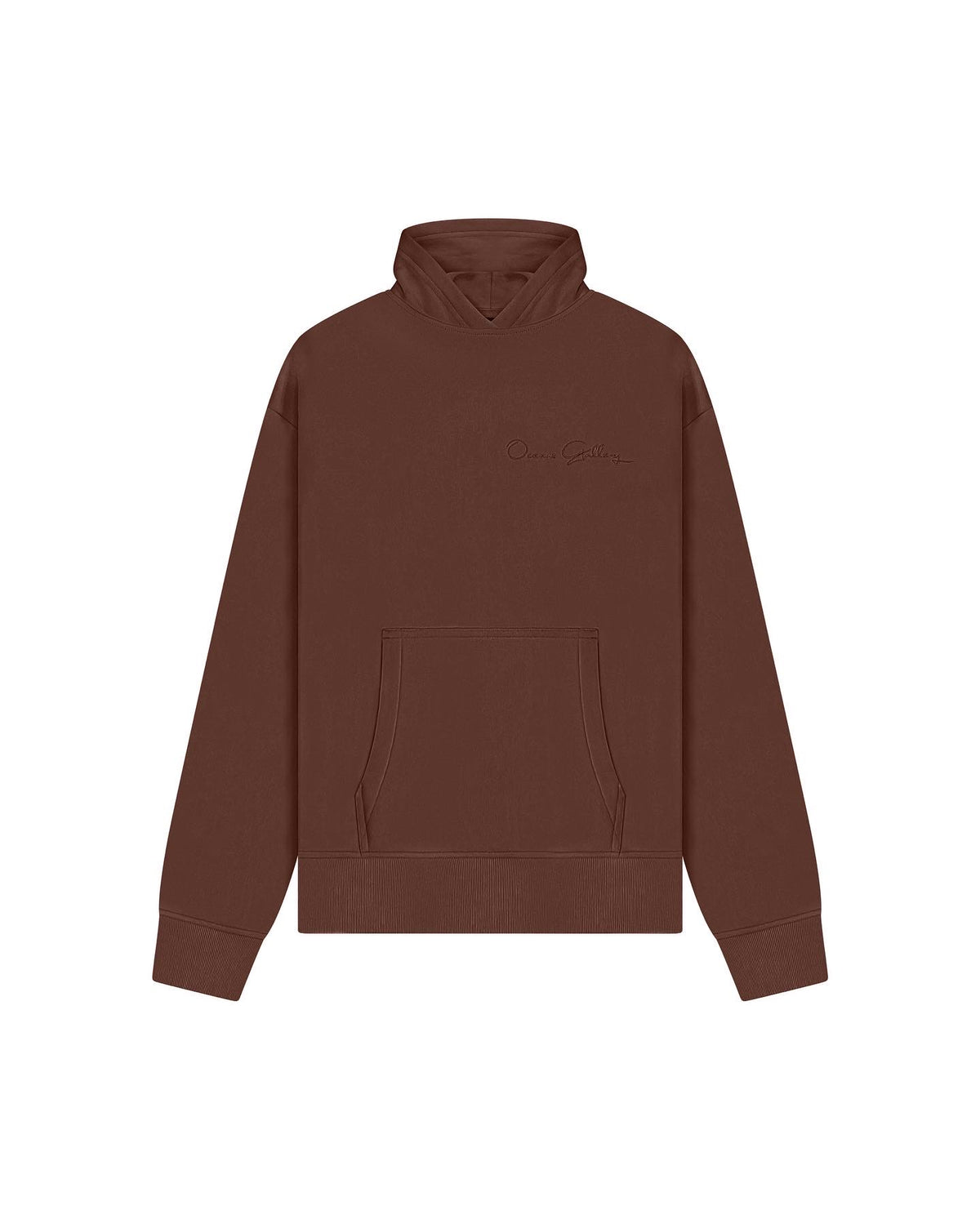
Why Your Shirt Wrinkles by Noon and Your Hoodie Never Does
Two cotton garments, same fiber, completely different creasing. The real reason is fabric weight — and it's not the reason most sites give you.
Here's something that happens to almost everyone and gets explained to almost no one: you put on a lightweight cotton tee in the morning, and by lunch it looks like you slept in it. You put on a heavier cotton piece — a twill shirt, a French Terry hoodie — and it still looks the way it did when you left the house. Same fiber. Same person wearing it. Completely different result.
Most explanations stop at "cheap fabric wrinkles more." That's not wrong, exactly. It's just not the actual mechanism. Here's what's really happening.
Cotton doesn't have a memory problem. It has a spring problem.
Every fiber has some version of the same question: once you bend it, does it bend back? Wool does, mostly — wool fiber has a natural helical crimp, shaped almost like a tiny coiled spring, and that structure physically pulls the fiber back toward its original shape after you crease it. That's the actual reason a wool sweater shakes out smoother than a cotton one.
Cotton doesn't have that spring. Structurally, a cotton fiber is closer to a flat ribbon than a coil. When you crease it — sitting, folding, a seatbelt across your lap for twenty minutes — the fiber's internal hydrogen bonds break and reform in whatever new position the crease put them in. There's no coiled structure pulling them back to where they started. The wrinkle isn't fabric giving up. It's the fiber's chemistry doing exactly what it does, permanently, until heat or moisture resets it.
This is true of every piece of 100% cotton clothing you own, regardless of price. It's what the fiber is.
So why does one cotton shirt wrinkle more than another?
This is where fabric weight — GSM, grams per square meter — actually matters, and it's a different mechanism than the fiber question above. Weight doesn't change cotton's chemistry. It changes how much force it takes to displace it in the first place.
A lighter fabric has less fiber mass per square inch, and less fiber-to-fiber contact holding each thread in place. It takes almost nothing — a light fold, a few hours of sitting — to shift those threads out of position, and once they're shifted, cotton's lack of spring-back means they stay that way. A heavier fabric has more mass and denser fiber contact. The same fold, the same sitting, the same twenty minutes — it takes more force to displace the threads at all, so fewer creases actually form in the first place. It's not that the heavier fabric bounces back better. It's that it resists being bent in the first place.
We build across a fairly wide GSM range on purpose — 230gsm on the lighter end, up to 460gsm on the heaviest pieces — and each weight is doing a specific job, not just a price-tier job.
Enough structure to hold a clean line off the hanger, but light enough to move and breathe. This weight will show a crease if you sit in it for three hours on a flight. That's not the fabric failing. It's the honest tradeoff for something that breathes like a t-shirt should.
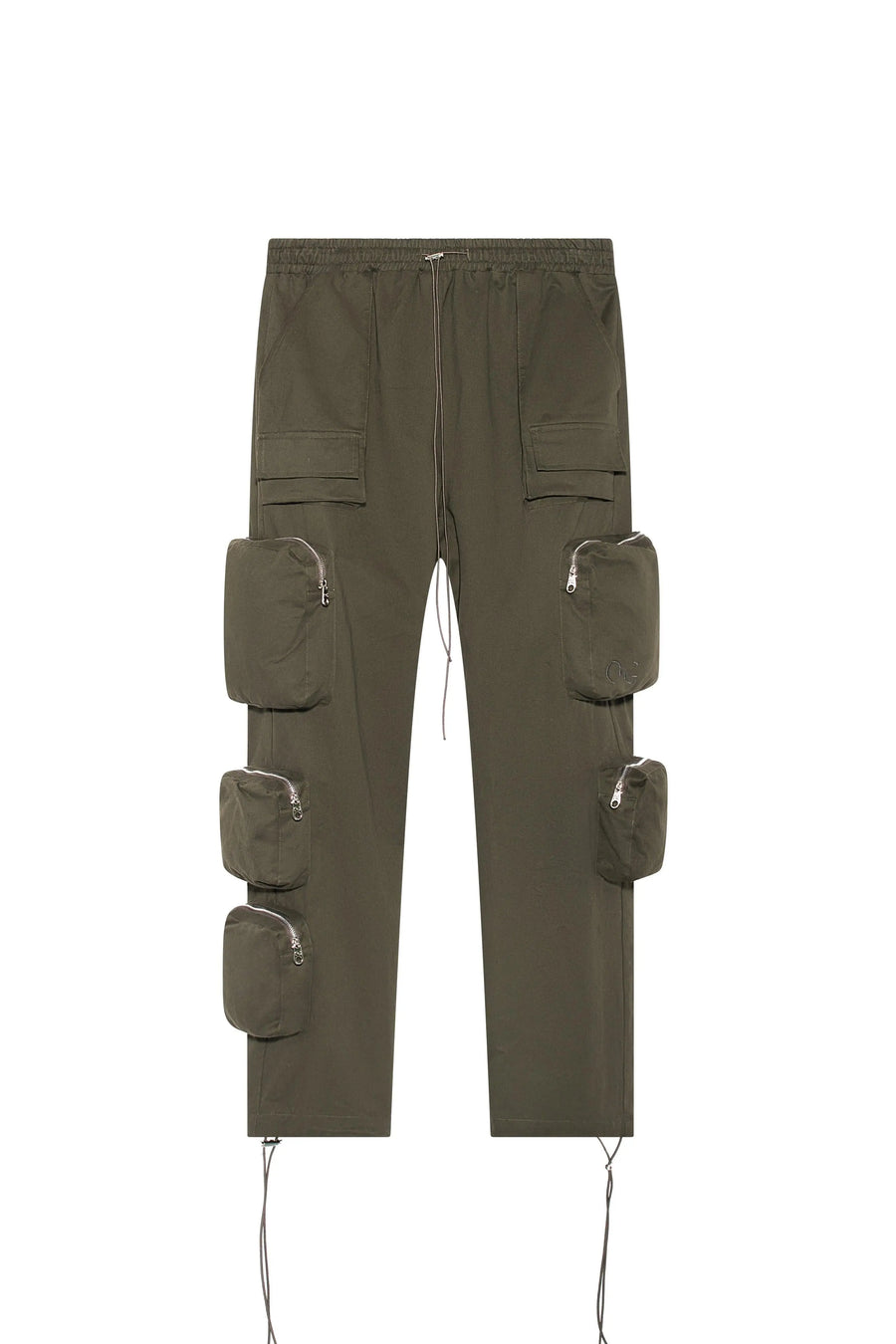
The range where a shirt or a cargo pant starts resisting displacement noticeably better. You'll still get a wrinkle if you actually work to put one there, but the everyday sitting-and-standing of a normal day stops registering as visible creasing.
Dense enough that the fiber mass itself is doing real structural work. This is the range where a piece can go from a chair to a car to a meeting and still look like it did when you put it on — not because the cotton got smarter, but because there's enough of it packed into every square inch to resist being bent in the first place.
None of this makes the lighter pieces worse. A 460gsm hoodie in July would be a mistake, not an upgrade. The weight has to match the job.

The part nobody tells you: pre-washing doesn't fix this
One thing worth knowing before you assume a wash cycle will solve wrinkling: pre-washing stabilizes a garment's dimensions — it stops that first-wash shrink from distorting the fit — but it does not change how the fiber behaves under a crease. A pre-washed lightweight cotton tee wrinkles exactly as readily as one straight off the shelf. If a garment's crease behavior bothers you, weight is the lever that actually moves it. Washing isn't.


